Pack Smart, Travel Happy

Amit Sharma
| 08-09-2026
 · Animal Team
Traveling with a dog can turn an ordinary journey into a memorable adventure, but pets need more than a cute place among the luggage.
Whether you are preparing for a trail trip, a weekend escape, or a longer journey, smart packing keeps your companion comfortable and your essentials organized. The goal is simple: less travel chaos, more tail-wagging exploration.
Pack for Pet Comfort
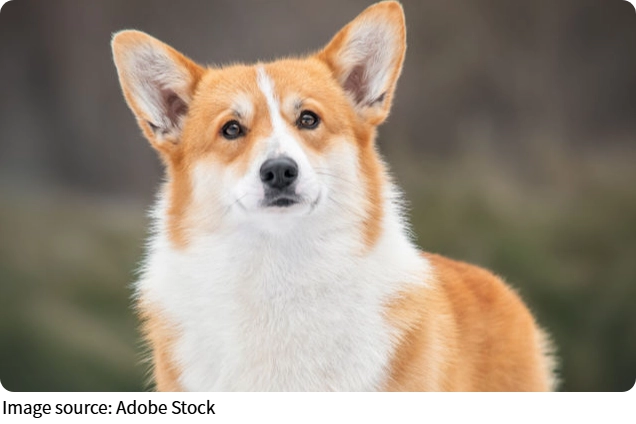
A good pet travel pack starts with your companion rather than your destination. You know your dog better than any packing checklist does, so consider normal routines, energy level, size, weather tolerance, and travel experience. A compact setup containing genuinely useful items usually beats carrying every pet accessory you own.
Create a Pet-Only Packing Zone
Keeping pet supplies together saves surprising amounts of time. Instead of hiding food in one bag, a leash in another, and cleaning supplies somewhere mysterious, dedicate one lightweight pack or compartment to your dog.
Start with measured food portions, water, collapsible bowls, a leash, waste bags, a small towel, identification information, and any regularly required supplies. For longer outings, bring a little extra food in case plans change.
Pre-measuring meals into individual containers can make mornings easier. You will not need to estimate portions while everyone is eager to leave.
There is another advantage: when your dog needs something quickly, you know exactly where to reach. No dramatic luggage excavation required.
Bring Familiar Comfort
New places are exciting, but unfamiliar smells, sounds, rooms, and travel routines can also make some dogs uneasy.
A familiar blanket or washable mat creates a recognizable resting spot. A favorite toy may provide another reassuring connection with the usual routine. You do not need to transport an entire collection. One or two familiar items are enough.
If your dog normally sleeps on a particular mat, introduce the travel version before departure. Let your companion rest on it during ordinary days first. By travel time, that simple item already carries familiar associations.
A suitcase, however, is luggage rather than a pet travel enclosure. Even when a curious dog decides it looks wonderfully cozy, choose a secure, ventilated carrier designed for animal transport whenever containment is necessary.
Plan Water Before the Trail
Water deserves its own plan, especially when walking outdoors.
Rather than assuming you will find a suitable source, carry enough clean water for the expected outing plus a reasonable reserve. A collapsible bowl is useful because it takes little room and can be offered during regular pauses.
Watch your dog rather than relying only on your own thirst. Heavy panting, slowing down, repeatedly seeking shade, or losing enthusiasm may signal that your companion needs rest and water.
On warm days, choose cooler walking periods and increase rest opportunities. A trail does not become better because you completed it faster.
Check the Pack Weight
If your dog wears a trail pack, introduce it gradually rather than filling it immediately.
First, let your dog wear the empty pack during a short familiar walk. Check whether the fit allows natural shoulder movement and whether any section rubs the skin. Add only light items after your companion moves comfortably.
Keep the load balanced between the two sides. If one side repeatedly swings lower, redistribute the contents.
Your dog does not need to carry everything simply because the pack has room. Comfort matters more than maximizing capacity.
Make Every Trip Easier
Packing solves only half the puzzle. The other half is creating routines that make unfamiliar journeys feel predictable. You can make travel noticeably smoother by practicing small skills before the exciting day arrives.
Practice Before Going Far
A first trail adventure should not also be the first time your dog encounters every piece of travel equipment.
Try short practice sessions near familiar surroundings. Let your dog investigate the carrier, travel mat, bowls, harness, and pack without pressure. Reward calm interaction and gradually extend the time spent with new equipment.
Then test your setup on a short outing.
You may discover that the bowl is inconvenient, the pack shifts while walking, or your carefully chosen toy is completely ignored. Finding these problems ten minutes from your usual surroundings is much easier than discovering them hours away.
Use the Two-Minute Paw Check
Trail surfaces change quickly. Smooth ground can turn rocky, hot, wet, or covered with rough vegetation.
During breaks, spend about two minutes checking your dogs paws for redness, irritation, lodged debris, or unusual sensitivity. Also inspect areas where a harness or pack touches the body.
Pay attention to movement after each pause. Limping, repeatedly licking a paw, or suddenly walking differently deserves attention rather than another kilometer of exploration.
This tiny inspection becomes especially useful on longer outings because dogs cannot simply announce that one paw has been annoying them for the last twenty minutes
Give Your Dog a Quiet Reset
Adventure does not mean nonstop activity.
After walking, exploring, meeting new people, or encountering unfamiliar sounds, your dog may appreciate a calm resting period. Set up the familiar mat, provide water, and allow some undisturbed downtime.
This is particularly useful during multi-day travel. A dog that gets proper rest today is more likely to approach tomorrow with comfortable energy.
You can also preserve familiar meal and sleep times where practical. Predictability provides useful structure even when the scenery changes completely.
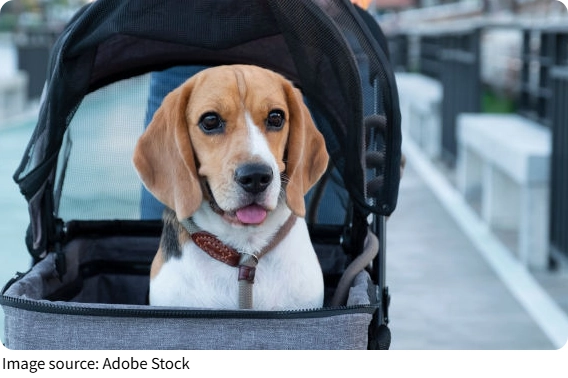
Successful pet travel is less about carrying more and more about preparing thoughtfully. Pack essentials together, prioritize water and comfort, practice with equipment, inspect your companion during outings, and create predictable routines. When your dog feels secure and you know where everything is, the trail ahead becomes much easier to enjoy.