Bears Keep Cubs Close!

Caleb Ryan
| 24-08-2026
 · Animal Team
Greetings, Lykkers! In the wild, childhood does not usually last very long. Young animals are expected to grow quickly, learn how to find food, avoid danger, and eventually leave their parents behind. But for some bear species, the relationship between mother and cub can last much longer than you might expect.
Mother bears are known for staying with their cubs for several years, teaching them skills that can mean the difference between survival and failure. That extended time together is more than simple protection. It is a period of intense learning, where cubs gradually become capable of navigating a complicated and sometimes dangerous world.
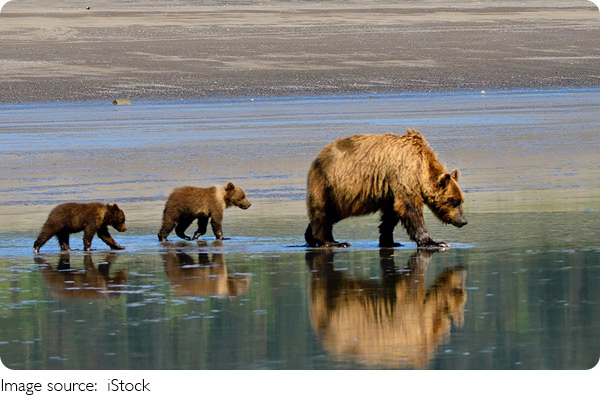
A Cub's Childhood Is Full of Lessons
A young bear may look capable long before it is truly ready to live independently. Cubs have to learn where food can be found, how to move through different habitats, which areas are dangerous, and how to respond when another animal appears. They also need to develop the physical skills necessary to climb, forage, swim, and travel long distances. Much of that knowledge comes from watching their mother.
A mother bear does not sit down and teach her cubs in the way humans teach children. Instead, the young observe her behavior and gradually copy what she does. A cub may follow its mother to a feeding area, watch her search for food, and eventually begin trying the same techniques. Every day becomes a lesson.
Why Staying Together Can Give Cubs an Advantage
Life in the wild is unpredictable, and experience matters. A young bear that leaves its mother too early may know how to move around but still lack the judgment needed to handle dangerous situations. Staying with an experienced mother gives the cub more opportunities to practice important survival behaviors while still having a powerful protector nearby.
The mother can also guide her cubs toward productive feeding areas and away from places where threats are more likely. This is particularly important because bears have large home ranges and encounter constantly changing conditions. Food availability can shift with the seasons, weather can alter travel routes, and other bears can create serious competition. The mother effectively provides a living map of the environment.
Mothers Are Protecting More Than Just Cubs
Protection is one of the most visible parts of the relationship, but it is only one piece of the story. Mother bears also give cubs time to develop physically. A young bear needs considerable energy to grow, and remaining with its mother can provide access to food and safer opportunities to practice foraging. The mother also influences how cubs respond to threats.
Young bears are naturally curious, and that curiosity can sometimes put them in risky situations. A mother can react to danger before a cub fully understands what is happening. Over time, those experiences may help the young bears recognize warning signs themselves. This makes the mother-cub relationship a combination of protection, opportunity, and learning.
The Moment When Cubs Finally Leave
Eventually, the relationship has to change. A mother cannot care for her offspring forever. As cubs become larger and more capable, they gradually become better prepared to live independently. The separation can happen after years of close contact, depending on the bear species and environmental conditions. By that point, the young bear has gained something far more valuable than protection: experience.
It has spent months or years observing how its mother travels, feeds, responds to danger, and interacts with the environment. Those experiences can shape the animal's future behavior long after it becomes independent. In some bear populations, young females may eventually establish ranges relatively close to their mothers, while young males often disperse farther away. This difference can influence how bear populations spread across landscapes.
Why Longer Childhoods Make Sense for Bears
At first glance, staying with a mother for several years might seem unusually long. But bears are large, complex mammals with demanding lives. They are not born knowing how to survive. Their size does not automatically give them the knowledge needed to find seasonal food sources or deal with competitors. A bear may be physically strong but still inexperienced. A longer period under maternal care gives young bears more time to mature before facing those challenges alone.
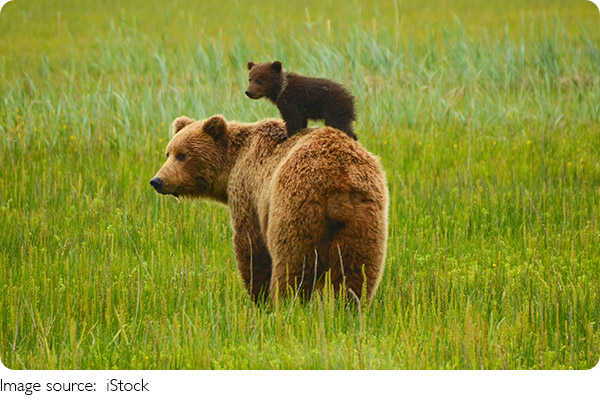
A mother bear’s long care gives her cubs more than safety—it gives them valuable survival skills. Every journey, feeding trip, and encounter with danger becomes part of their education. Staying together longer helps young bears grow stronger, wiser, and more prepared for independence. Their close bond shows that in the wild, sometimes the best survival lesson is simply having time to learn from an experienced mother.